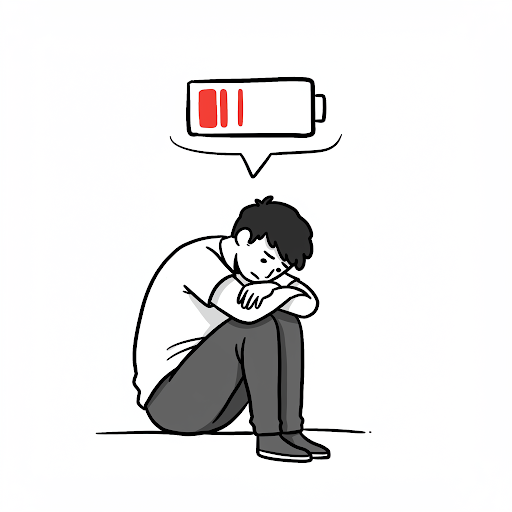
That wave of anxiety can hit hard and fast. In those moments, you need something you can do right now to ground yourself and find a sense of calm. Forget the generic advice; let’s explore some surprising, science-backed techniques you might not have heard of.

When anxiety feels overwhelming, having immediate, accessible strategies can make all the difference. These aren’t about long-term fixes (though consistency helps), but about those in-the-moment anchors that can help you regain your footing.
Here are a few powerful techniques you can try instantly:
1. The “Cold Water Face Splash”: Your Nervous System Reset Button
This technique leverages the “diving reflex,” a physiological response that slows down your heart rate and redirects blood flow when your face is submerged in cold water. It’s a natural way to tap into your parasympathetic nervous system – the “rest and digest” side that counteracts the anxious “fight or flight” response.
- How to do it (Step-by-step):
- Get a bowl of very cold water (you can add ice cubes for extra effect).
- Take a deep breath and hold it.
- Quickly submerge your entire face (forehead to chin) into the cold water for about 10-30 seconds.
- Remove your face and gently pat it dry.
- Notice the shift in your body and mind.
- The Science & Benefits: The cold water stimulates the trigeminal nerve in your face, triggering the diving reflex. This leads to an immediate slowing of your heart rate, a decrease in blood pressure, and a general calming effect on your nervous system. It’s like a quick reset for your body’s stress response.
2. The “5-4-3-2-1 Grounding Technique” with a Sensory Twist: Anchoring to the Present
This is a well-known grounding technique, but let’s amplify its power by focusing intently on the sensory details. Anxiety often pulls us into the future or the past. This technique brings you firmly into the present moment.
- How to do it (Step-by-step):
- Look around you and name FIVE things you can see. Pay attention to the details – the color, the shape, the texture. For example, “I see a blue mug, a wooden table with a scratch, a green leaf on a plant, a silver pen, and a patterned rug.”
- Now, identify FOUR things you can touch. Notice the sensation – is it smooth, rough, soft, hard? For example, “I feel the smooth coolness of my phone in my hand, the soft fabric of my shirt, the slightly rough texture of the chair, and the coolness of the air on my skin.”
- Next, listen for THREE things you can hear. What are the distinct sounds? For example, “I hear the hum of the refrigerator, the faint sound of traffic outside, and the ticking of a clock.”
- Then, identify TWO things you can smell. If you can’t readily smell something, try to recall two distinct smells you know. For example, “I can smell the faint scent of coffee from earlier and the subtle fragrance of the hand lotion I used.”
- Finally, name ONE thing you can taste. If you don’t have anything in your mouth, recall a distinct taste. For example, “I can still taste the slight sweetness of my last sip of water.”
- The Science & Benefits: By actively engaging each of your senses, you’re shifting your focus away from anxious thoughts and onto the concrete reality of your surroundings. This interrupts the cycle of worry and helps ground you in the present moment, where the immediate threat of anxiety often feels less overwhelming. The intense focus on sensory details requires your brain to be present, leaving less room for anxious rumination.
3. The “Humming Release”: Vagal Nerve Stimulation Through Sound
Your vagus nerve is a major component of your parasympathetic nervous system. Stimulating it can promote relaxation and reduce anxiety. Humming is a simple yet powerful way to do this.
- How to do it (Step-by-step):
- Take a comfortable breath in.
- As you exhale, hum a gentle, sustained “mmm” sound. Feel the vibration in your chest and throat.
- Continue humming for several breaths, noticing the sensations in your body. You can vary the pitch and volume slightly to see what feels most resonant.
- Focus on the sound and the physical vibrations.
- The Science & Benefits: Humming creates vibrations in your vocal cords and surrounding muscles, which in turn stimulate the vagus nerve. This stimulation helps to activate the parasympathetic nervous system, slowing your heart rate, lowering blood pressure, and promoting a sense of calm. It’s a subtle but effective way to send a “relax” signal to your brain and body.
4. The “Muscle Tensing and Release (Subtle Version)”: Releasing Physical Tension
Anxiety often manifests as physical tension in the body. This modified version of progressive muscle relaxation focuses on subtle tension and release, making it more discreet and easier to do anywhere.
- How to do it (Step-by-step):
- Hands: Gently clench your fists, just enough to feel a little tension. Hold for 5 seconds, then slowly release. Notice the feeling of relaxation as you let go.
- Shoulders: Gently shrug your shoulders up towards your ears, creating a slight tension in your neck and upper back. Hold for 5 seconds, then slowly let them drop. Feel the release.
- Face: Gently squeeze your eyes shut and slightly tense the muscles in your face (without straining). Hold for 5 seconds, then slowly relax all your facial muscles.
- Feet: Gently curl your toes downwards, creating a little tension in your feet and calves. Hold for 5 seconds, then slowly release. Notice the feeling of letting go.
- Take a few slow, deep breaths after each muscle group.
- The Science & Benefits: This technique works by bringing awareness to the physical tension in your body and then consciously releasing it. This can interrupt the feedback loop between physical tension and anxiety. Even subtle muscle tension can contribute to feelings of unease, and consciously releasing it can signal to your brain that it’s safe to relax.
5. The “Focused Breathing with Counting (Unconventional Count)”: Disrupting Thought Patterns
While basic deep breathing is helpful, adding an unusual counting pattern can further engage your mind and distract it from anxious thoughts.
- How to do it (Step-by-step):
- Find a comfortable position.
- Inhale slowly and deeply through your nose for a count of 3.
- Hold your breath gently for a count of 6.
- Exhale slowly and completely through your mouth for a count of 5.
- Repeat this 3-6-5 breathing pattern for several rounds. Focus solely on the counting and the sensation of your breath.
- The Science & Benefits: The slightly unusual count (3-6-5 instead of the common 4-4-4) requires more mental focus, which can effectively distract your mind from racing anxious thoughts. The longer exhale also helps to activate the parasympathetic nervous system, promoting relaxation.
Important Considerations:
- These techniques are intended for immediate relief and can be powerful tools in your anxiety management toolkit.
- Consistency is key. Practicing these techniques even when you’re not feeling anxious can make them more readily accessible and effective when you need them most.
- If you experience persistent or severe anxiety, please reach out to a mental health professional. These techniques can be a helpful supplement to professional guidance.
By incorporating these less commonly discussed but scientifically grounded techniques into your life, you can gain more immediate control over feelings of anxiety and cultivate a greater sense of calm in your daily life.
